
Discipline 01
Archaeology of the Altiplano
Stratigraphic analysis of Mexica construction stages in the ceremonial precinct and archaeological salvage of the Tenochtitlan layout.
Sources: Monographs and technical reports from INAH.
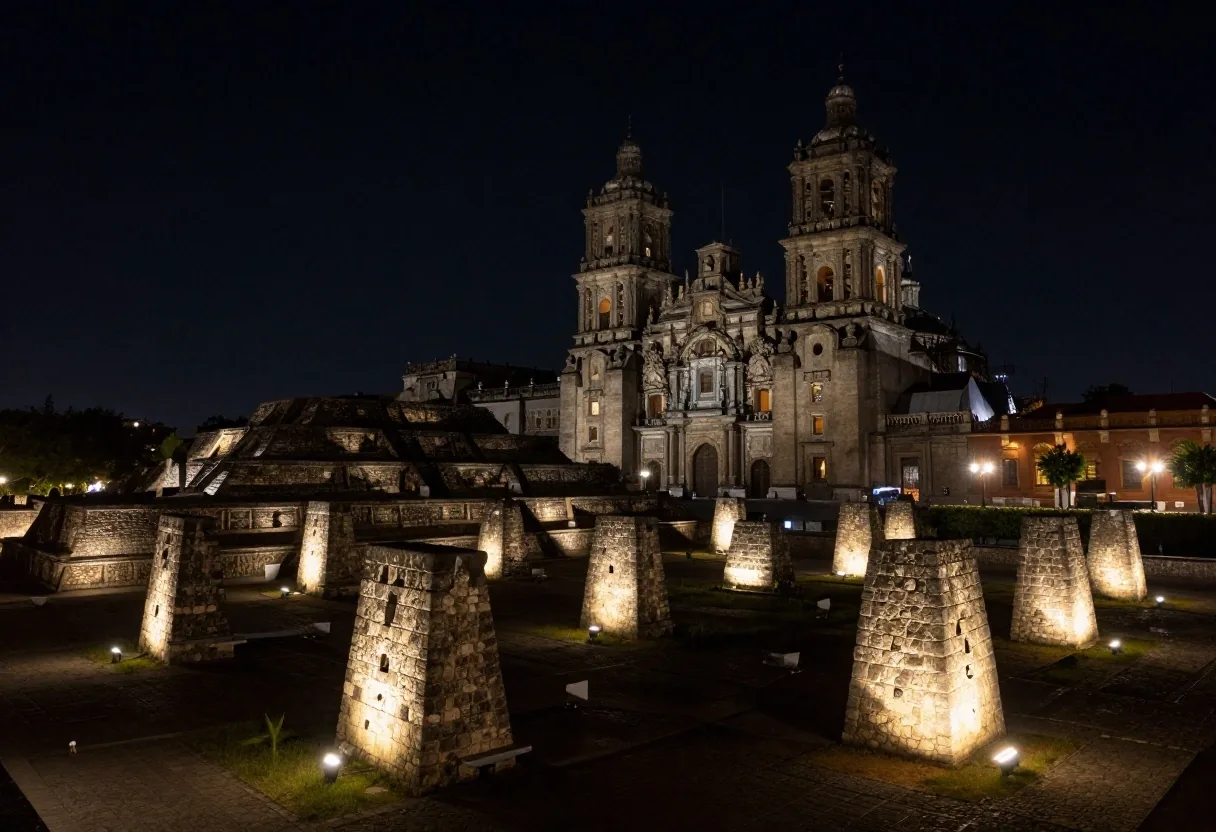
The Tourist Insight was born as an editorial initiative aimed at transforming the way travelers and scholars approach Mexico's vast architectural, historical, and artistic legacy. Faced with the proliferation of impersonal tourist guides, ephemeral lists of superficial recommendations, and promotional content devoid of chronological foundation, our platform offers an alternative based on direct consultation of documentary sources, heritage cataloging, and critical analysis of urban geography.
Our work seeks to overcome passive tourist consumption through the documented interpretation of monuments and their community context.
Our mission is to provide solid conceptual tools so that anyone interested can interpret the built space and traditional manifestations of the Basin of Mexico with an informed historical criterion.
We maintain that touring a monument is not reduced to taking a photograph of a facade, but to deciphering the social motives of its construction, the artisanal techniques that erected it, and the cultural tensions reflected in its survival. The built heritage of Mexico City and its surrounding regions is a witness to profound political transformations, aesthetic ruptures, and community resistances that deserve to be narrated with precision.
This approach seeks to instill a deep respect for common goods and encourage reflective tourism that ethically dialogues with the communities that guard such heritage. A visit to a viceregal cloister, an archaeological zone, or a neighborhood of lacustrine origin acquires true meaning when the visitor understands the fragility of its materials and the collective effort that has allowed its conservation through the centuries.
All our itineraries prioritize properties registered in the catalog of historical and artistic monuments, complementing visual inspection with referenced bibliographic notes and warnings regarding physical conservation.
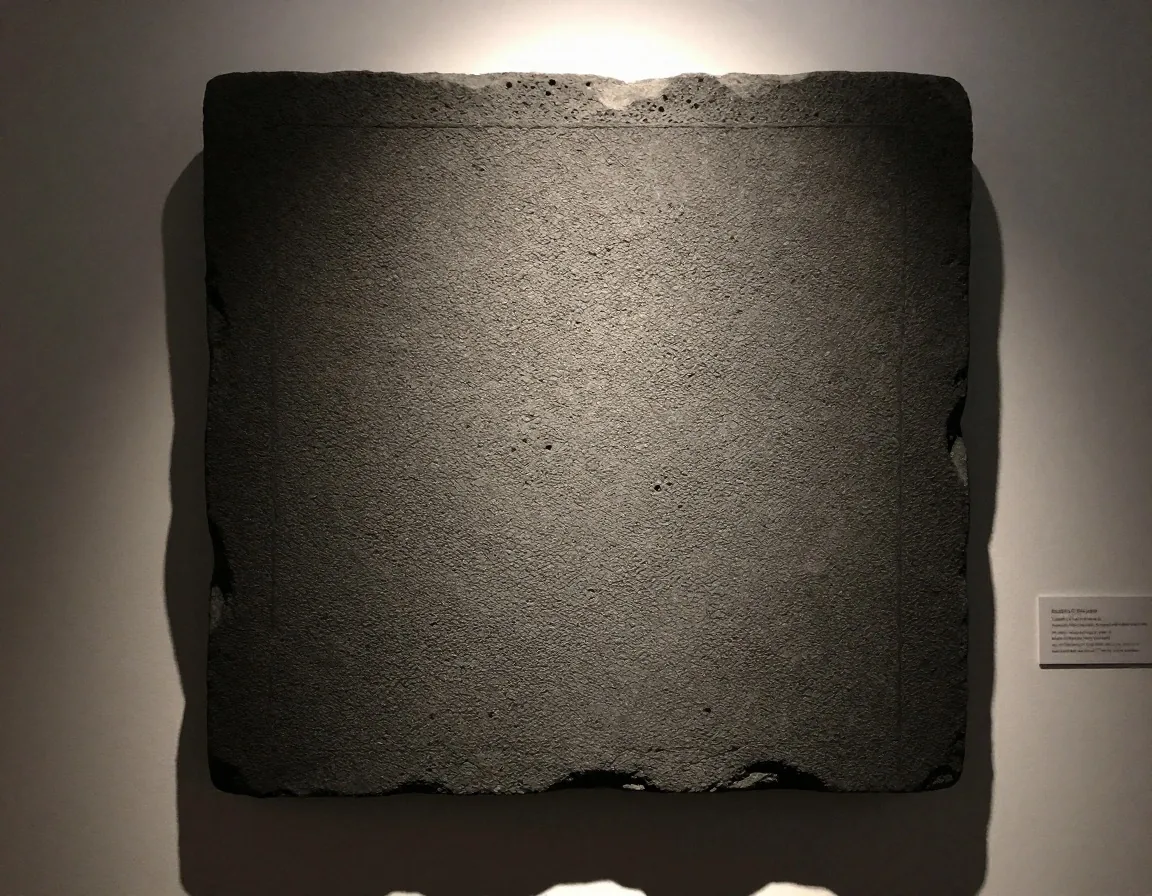
Tezontle, quarry stone, and basalts of the lacustrine basin
The editorial team at The Tourist Insight is composed of professionals with training in New Spanish art history, Mesoamerican archaeology, heritage architecture, and cultural communication. We collaborate closely with local chroniclers, archivists, and university professors to meticulously review the accuracy of the data we publish.
Stratigraphic analysis of Mexica construction stages in the ceremonial precinct and archaeological salvage of the Tenochtitlan layout.
Dating of Churrigueresque altarpieces, caste painting, and baroque portals in the mendicant convents of the central valley.
Study of 19th-century transformations, Porfirian wrought iron, and civil engineering interventions in the draining of lakes.
Registry of festive mayordomías, chinampa agricultural systems, and artisanal knowledge preserved in original neighborhoods.
From the exact dating of a Mannerist altarpiece to the stratigraphic explanation of a pre-Hispanic ritual platform, every published text goes through a cross-verification process that checks specialized INAH monographs, viceregal council records, and modern urban essays. We do not publish popular legends as proven facts, nor do we repeat urban myths debunked by contemporary scientific archaeology.
The Tourist Insight operates under an unwavering premise of analytical independence. We do not accept covert sponsorships from hotel chains, opaque commissions for restaurant promotion, or commercial gifts in exchange for positive mentions in our itineraries.
If we recommend visiting a certain viceregal convent or an agroecological workshop in the chinampas of Cuemanco, we do so exclusively based on its architectural merit, ethnographic authenticity, or landscape value. This sharp separation between critical criteria and advertising interest guarantees our readers honest and reliable guidance.
We believe that the credibility of a cultural resource lies in the unrestricted fidelity to its object of study. Our readers are treated as autonomous researchers and travelers, never as passive consumers to be directed toward agreed-upon establishments.
No point of interest pays to be part of the platform's thematic tours.
We select sites for their historical, stylistic, and landscape relevance, regardless of their commercial notoriety.
We maintain direct channels of dialogue to amend inconsistencies and receive scholarly field notes.
The methodology that underpins our guides is the stratigraphic reading of the territory: considering Mexico City as a palimpsest where no era completely erased the previous one. When analyzing a street in the urban center, we examine the underlying Mexica canal, the colonial tezontle and quarry stone wall built with pre-Hispanic spoils, the 19th-century Republican portal, and the 20th-century functionalist intervention.
Causeway-dikes of Tepeyacac, Iztapalapa, and Tlacopan; foundations of ahuejote pilings in lacustrine mud and temples on stepped platforms.
Reuse of stone blocks as defensive corner bases; masonry of red volcanic tezontle and gray Chiluca quarry stone in cloisters and churches.
Opening of Cinco de Mayo, glazed European ironwork galleries, disentailment of convents, and the expansion of Paseo de la Reforma.
Reinforced concrete interventions, monumental frescoes in public buildings, Ciudad Universitaria, and the integration of public art in underground transport.
This method provides the visitor with an intelligible common thread that transforms the apparent visual chaos of the megalopolis into a continuous and fascinating historical narrative.
See Historic Center itineraryWe actively recognize and disseminate the regulatory framework established by the Mexican State for the protection of its monuments. We support the guidelines of the 1972 Federal Law on Archaeological, Artistic, and Historic Monuments and Zones.
We instruct our readers on why lithic fragments should not be removed from sites, why physical contact with stucco and murals is strictly prohibited, and why the ban on climbing pyramids and fragile structures must be obeyed.
We believe that the best heritage conservation begins with the cultural literacy of the visitor themselves, eradicating harmful practices through technical explanation of their material consequences.
Material heritage loses its vital meaning if it is disconnected from the community practices that keep it alive. Therefore, The Tourist Insight dedicates a substantial part of its research to the intangible expressions of the basin.
We document the chinampa agricultural technologies passed down through peasant oral tradition in Xochimilco and Tláhuac, the festive neighborhood mayordomías that decorate facades with seeds and flowers in Coyoacán and San Ángel, and the traditional trades of candle-making, papier-mâché, and stonemasonry that restore temples and bring patron saint festivals to life.
Documenting this knowledge honors the memory of the indigenous peoples who coexist in the modern metropolis and ensures that the visitor values the human labor behind every festival or lacustrine crop.
Our articles are nourished by the rich collection safeguarded in the capital's repositories. We place special emphasis on referring the reader to these public funds, promoting the use of specialized libraries for those travelers seeking a prolonged study experience.
Former Lecumberri Penitentiary
Consultation of viceroyal funds on land grants, lake drainage, Inquisition records, and urban layout transformations from the 16th to the 19th centuries.
Agri-Food and Fisheries Information Service
Cartographic comparison of historical maps of the Mexico lacustrine basin, hydrographic charts, and parish divisions from the 16th century to the Porfirian republic.
La Ciudadela / National Museum of Anthropology
Review of reserved bibliographic funds, historical newspaper archives of the UNAM, and photographic collections of historical monuments from the INAH.
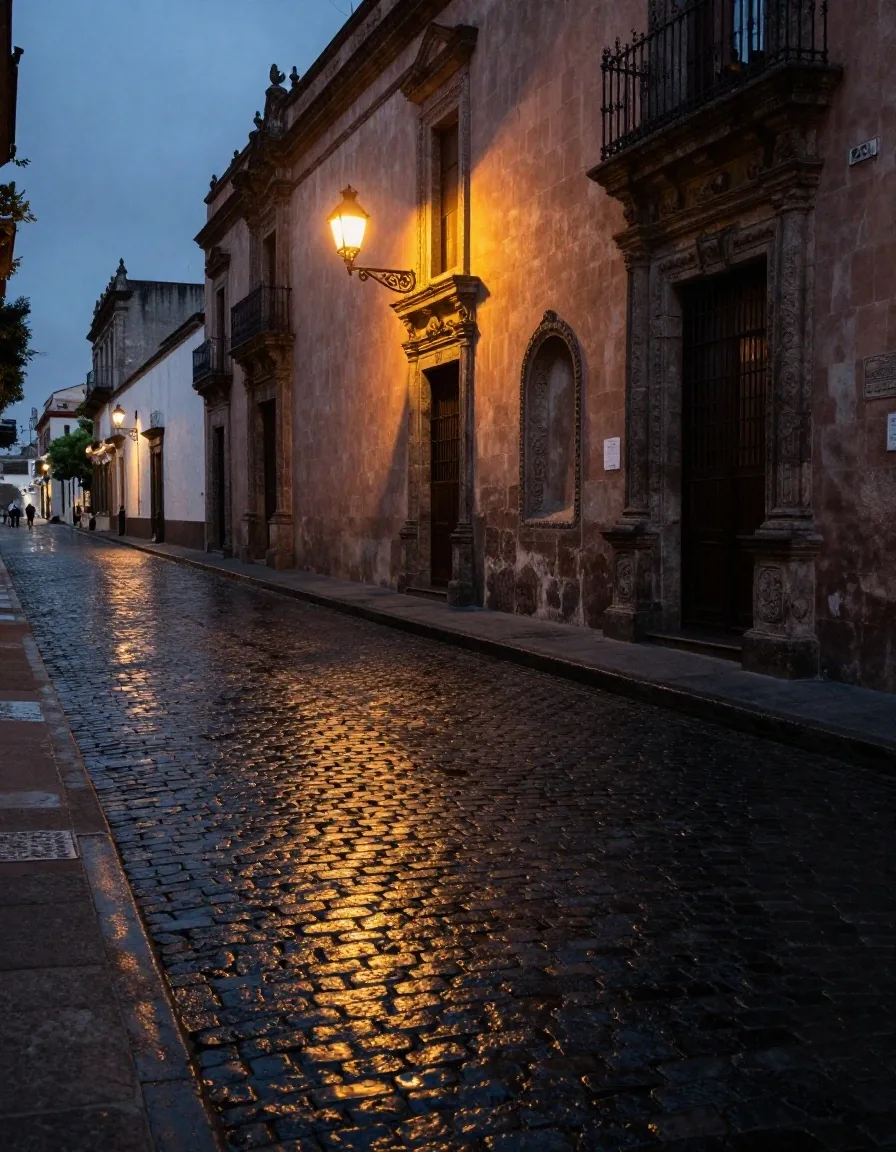
Stonemasonry details and niches visible only on foot
We promote urban mobility models that reduce the environmental footprint of tourism in the city. In our guides, we promote the extensive use of integrated public transport — Metro, Metrobús, Trolebús, and public bicycle systems — over the use of private cars.
We demonstrate that the pedestrian experience is the only means that allows one to notice historical commemorative plaques, corner niches, and baroque carpentry details that are inevitably missed from a vehicle window. This approach decongests the arteries of the Historic Center and boosts the neighborhood economy of second-hand bookstores, traditional bakeries, and independent community museums.
Historical cities are not static museums frozen in time; they are living organisms subject to seismic tensions, climate change, urban interventions, and citizen demands for housing and public space. At The Tourist Insight, we periodically review our guides to record street pedestrianization works, findings from Metro archaeological salvage, or the opening of new museum halls. This investigative dynamism ensures that the content remains current, relevant, and directly applicable to the reality of the current city.
We conceive The Tourist Insight as an open conversation table with historians, students, travelers, and metropolitan citizens. We encourage our readers to send documented observations, date corrections, or testimonies about the state of conservation of listed properties through our institutional channels. Historical memory is a collective construction.
Begin your journey through the historical layers of Mexico City and its main cultural enclaves through our detailed territorial monographs.