
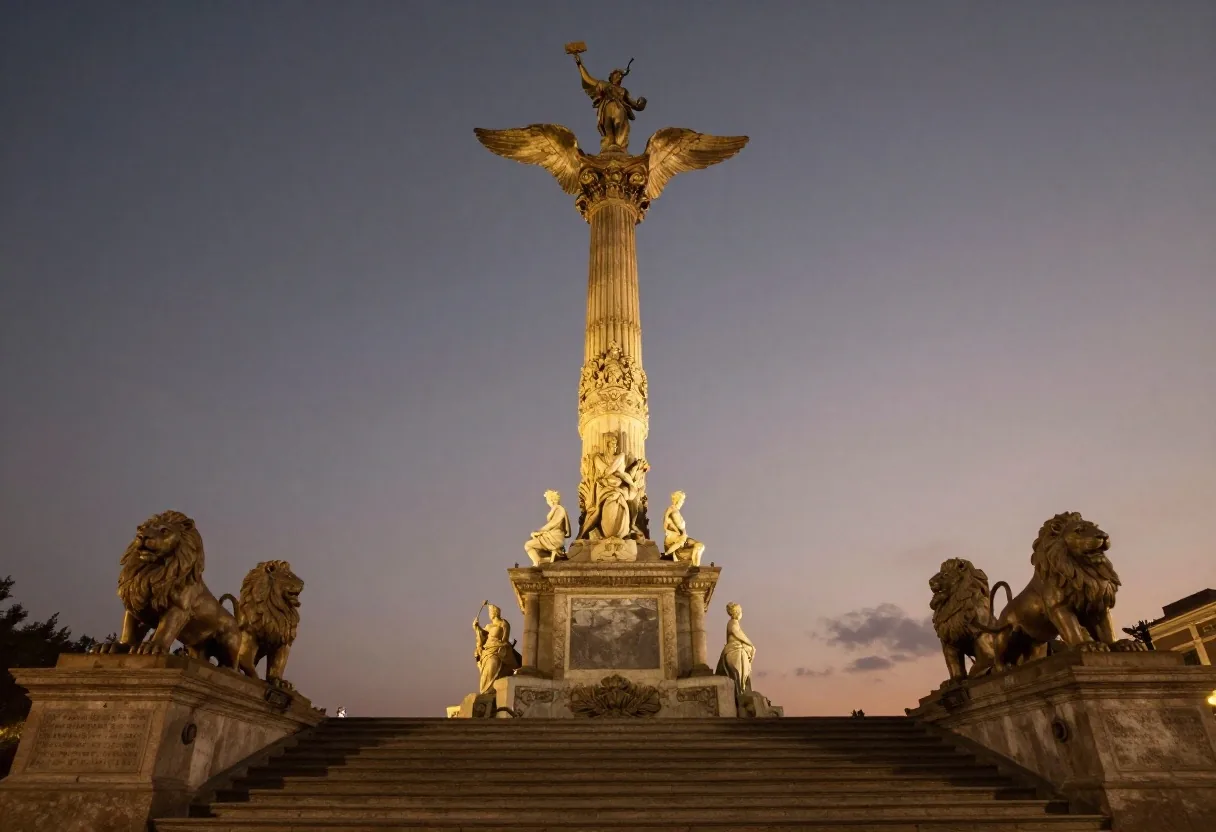
Practical recommendations for the cultural visitor
Exploring a metropolis with such high heritage density as Mexico City is a rewarding experience when its urban operating codes are understood in advance. From navigating mass public transport networks to the legal regulations governing photography at archaeological sites, this section provides operational, verified guidelines free of commercial alarmism. Our goal is for the traveler to plan their route with safety, efficiency, and maximum respect for local communities and cataloged monuments.
Integrated mobility: metro, metrobús, and trolleybus
Mexico City has one of the most extensive and affordable public transport networks on the planet. Access to the Metro, Metrobús, Trolleybus, and Light Rail is exclusively through the Integrated Mobility (MI) rechargeable card, which can be purchased and topped up at automatic machines located at the entrances of any station.
The Metro is unbeatable for covering long distances between the north and south of the valley, while the Metrobús lines—especially Line 7, with double-decker buses on Paseo de la Reforma—offer an excellent panoramic view of the monuments while traveling. For night trips or complex connections with luggage, regulated private transport applications operate with high coverage and digital route monitoring.
Integrated Mobility (MI) Card
- Acquisition cost:$15 MXN initial fee plus the travel balance you wish to add.
- Regular fares:Metro ($5 MXN per trip), Metrobús ($6 MXN), Trolleybus ($4 MXN).
- Regular hours:Monday to Friday from 05:00 to 00:00; Saturdays from 06:00 to 00:00; Sundays and holidays from 07:00 to 00:00.
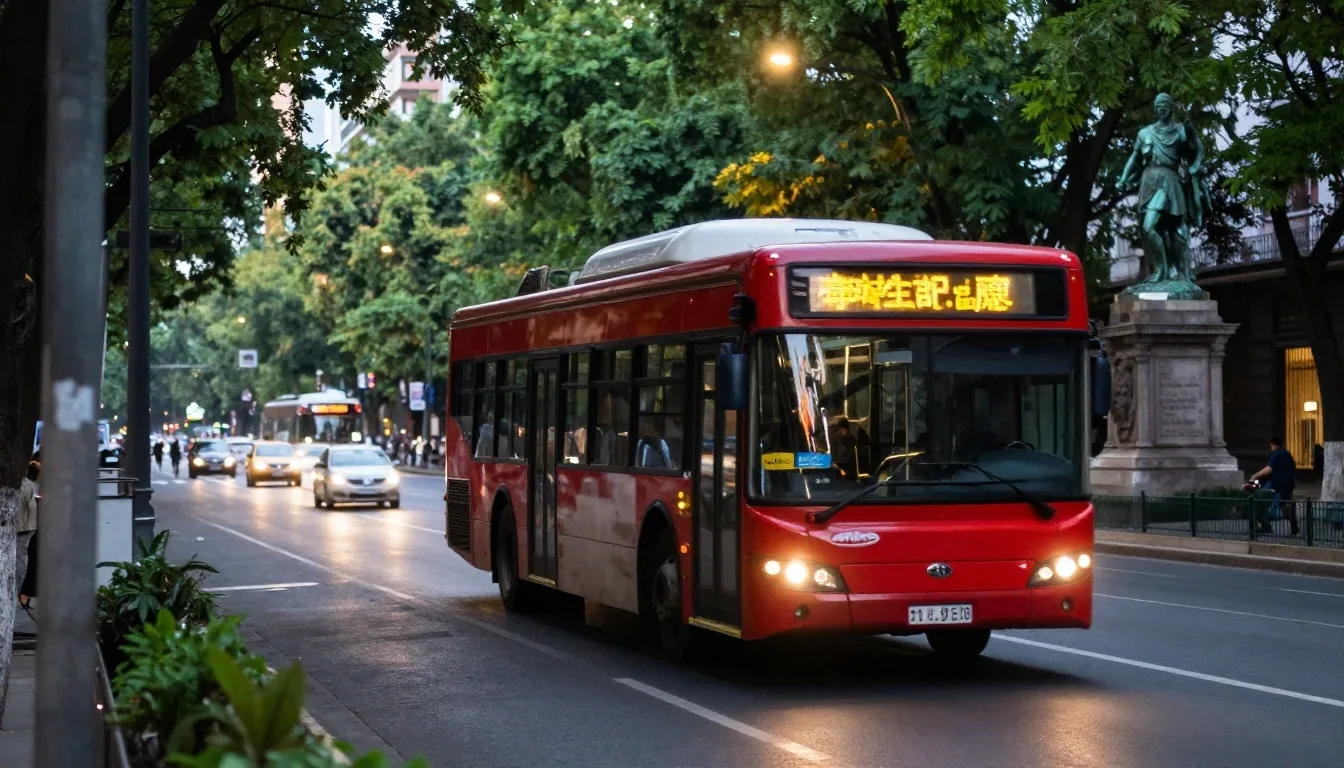
Line 7: Direct connection between the National Auditorium, Chapultepec, and the Historic Center.
Exclusive cars
On the Metro and Metrobús, there are front sections marked exclusively for women, girls, and children under twelve years old during all service hours.
Peak hours to avoid
It is suggested to schedule transfers outside of peak saturation intervals: from 07:00 to 09:30 in the mornings and from 18:00 to 20:30 in the evenings on weekdays.
The weekly calendar of Mexico's museums
A fundamental administrative convention throughout the national territory is the closure of public museums and cultural venues on Mondays. Federal institutions of the INAH, INBAL, and the local Ministry of Culture use that day for deep cleaning, restoration of works, and technical maintenance of facilities. Therefore, Mondays should be reserved for walks through open public spaces: viceregal plazas, the monument circuit of Paseo de la Reforma, civic parks like the Alameda Central, or walks through historic neighborhoods like Coyoacán and San Ángel. Some private venues, such as the Museo Soumaya in Plaza Carso, do open on Mondays, serving as an alternative for that day.
Public Space Day
Dedicate this day to external civil architecture, walks along the Calzada de los Poetas in Chapultepec, historical fountains, and the perimeter of the Plaza de la Constitución.
Optimal Gallery Days
Moderate flow and quiet rooms. Ideal for touring the Anthropology rooms, the National Museum of History in Chapultepec Castle, and the Templo Mayor.
National Free Admission
On Sundays, access is free for Mexican citizens and accredited residents at INAH/INBAL venues, generating long lines from mid-morning.
Photography and filming regulations at monuments
The National Institute of Anthropology and History (INAH) and the INBAL maintain strict policies regarding photographic recording in museums and archaeological zones. The use of handheld cameras and smartphones for non-commercial photography is permitted, provided the flash is deactivated indoors to prevent chemical degradation of pre-Hispanic and viceregal pigments.
The use of tripods, monopods, bulky selfie sticks, and gimbal stabilizers requires an express administrative permit and the payment of filming fees at the ticket office. Drones are strictly prohibited in all archaeological spaces and in the urban center's airspace for reasons of heritage security and air sovereignty.
Absolute flash deactivation
The light and ultraviolet radiation from the flash irreversibly deteriorates viceregal oil paintings and pre-Hispanic lime murals.
Prohibition of tripods and drones
They obstruct evacuation routes and require institutional permits processed weeks in advance with the INAH National Coordination of Legal Affairs.
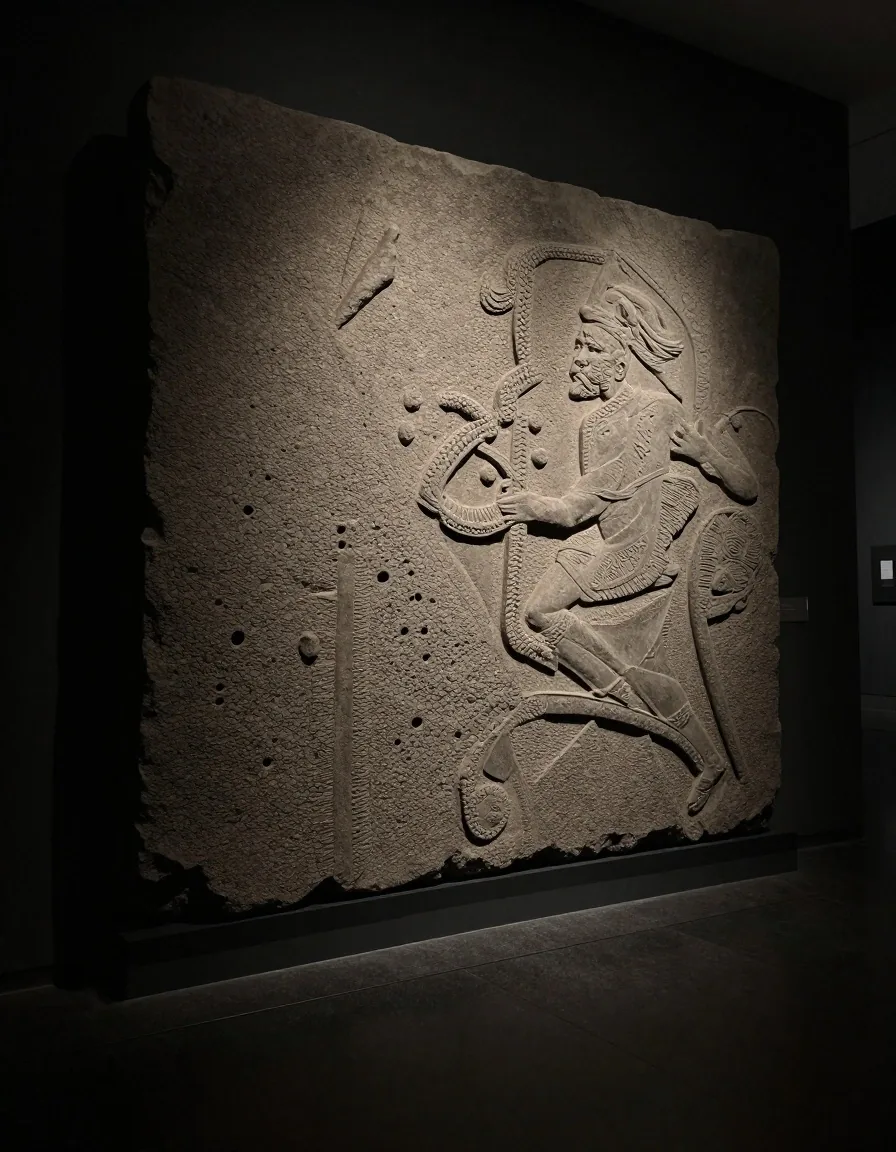
Physical contact with lithic pieces or stucco transfers body salts and oils that accelerate biological colonization.
Considerations regarding altitude and physical acclimatization
Mexico City is located at two thousand two hundred and forty meters above sea level, which means significantly lower barometric pressure and oxygen concentration than in coastal areas. Visitors arriving from low altitudes may experience mild symptoms during the first forty-eight hours, such as fatigue when climbing steep stairs (like those at Chapultepec Castle), moderate headaches, or slower digestion. It is recommended to dedicate the first day to short walks on flat ground, maintain abundant oral hydration with plain potable water, and moderate the consumption of alcoholic beverages and heavy, high-fat foods during the first few days.
First 24 to 48 Hours
Avoid sudden cardiovascular exertion. Prefer visits to flat venues like the Palacio de Bellas Artes or the National Museum of Art before attempting to climb pyramids or hills.
Systematic Hydration
The air in the highlands is drier than it seems. Drink small, continuous sips of water throughout the day to prevent headaches caused by silent dehydration.
Metabolism and Digestion
The gastric process operates at a slower speed at 2,240 meters. Moderate portion sizes at late dinners and allow time for adaptation before consuming intense spices.
Personal safety and metropolitan common sense
As in any large global metropolis, maintaining a safe stay in Mexico City involves applying rational urban prevention guidelines without falling into unfounded fears. Areas with high heritage interest—Historic Center (perimeters A and B), Reforma Corridor, Chapultepec, Polanco, Condesa, Roma, Coyoacán, and San Ángel—have intense surveillance by the Tourist Police and citizen security cameras (C5). It is advisable not to show off expensive jewelry or high-value photographic equipment without supervision on lonely streets, to use ATMs located inside bank branches or shopping centers during daylight hours, and to keep a digital copy of passports and immigration documents in the cloud.
Tourist Police
Present with distinctive uniforms on the main pedestrian walkways (Madero, Reforma, plazas of Coyoacán) for guidance and reporting incidents.
ATMs
Prioritize withdrawing cash at indoor ATMs in formal banks or shopping malls during the day, avoiding isolated modules on public streets at night.
Documentary Backup
Keep your original passport in the accommodation's safe and carry a clear photocopy or digital capture accessible on your phone daily.
Do you want to delve into the delimited areas of the first square?
Review Historic Center guide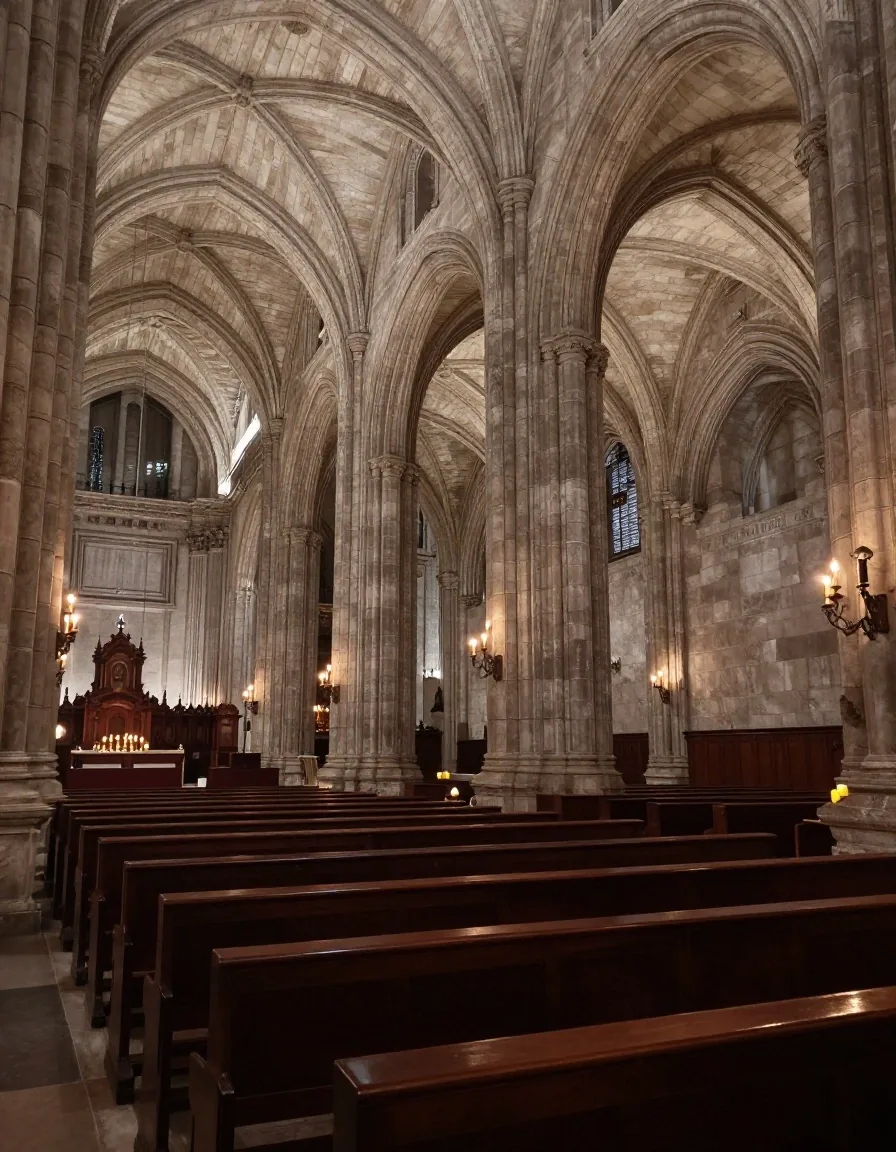
World heritage in continuous pastoral and community service.
Etiquette rules in active sacred venues
Many of the city's most outstanding viceregal monuments—such as the Metropolitan Cathedral, the Basilica of Guadalupe, the temple of San Francisco, or the Parish of San Juan Bautista in Coyoacán—are Catholic places of worship in full pastoral operation. When entering these temples, one must dress respectfully (shoulders covered and hats removed), keep a low voice, and refrain from walking through naves or taking photographs while Mass is being celebrated. In the confessionals and chapels of the Blessed Sacrament, you are requested to refrain entirely from recording to protect the spiritual privacy of the parishioners.
Essential guidelines during religious service
- Silence mobile phones before crossing the main gates and keep your voice at a whisper.
- During the celebration of the Eucharist, suspend tourist movement through the presbytery and side naves.
- Do not point camera lenses directly at people praying in private chapels or at confessionals.
Currency, tips, and food safety
Planning the use of cash and knowing the health guidelines for the daily consumption of water and food ensures a smooth stay free of digestive or financial setbacks.
Currency, tips, and cash payments
Mexican Peso (MXN)The official currency is the Mexican peso (MXN). Although international debit and credit cards (Visa and Mastercard) are widely accepted in museums, bookstores, hotels, and formal restaurants, having cash in low denominations (twenty, fifty, and one hundred pesos) is essential to pay for access to public restrooms, purchase handicrafts in street markets, pay for trajineras in Xochimilco, or consume food in traditional markets.
In restaurants with table service, the usual voluntary tip ranges between ten and fifteen percent of the total consumption, depending on satisfaction with the service received. Verify that it is not mandatorily added to the bill, a practice prohibited by the Federal Consumer Protection Agency (PROFECO).
Hydration, water, and food safety
Preventive guidelinesThe water supplied by the municipal network is not potable for direct human consumption; therefore, you must always drink bottled or filtered purified water in hotels and restaurants.
Mexican street food is famous and extremely rich in flavors, but the digestive system of travelers not accustomed to intense spices, spicy sauces, and animal fats may suffer if a gradual adaptation is not made. For a first gastronomic approach, it is advisable to go to established traditional markets with fixed stalls that have adequate refrigeration and visible running water, consuming food freshly boiled or fried in front of the diner.
Highland climate and clothing selection
Due to its altitude, the capital's climate is temperate for most of the year, with marked thermal oscillations between day and night. In the dry winter months (December to February), mornings can start with temperatures close to five degrees Celsius, reaching twenty-two degrees at noon under a radiant sun. In summer (June to September), mornings are temperate and sunny, giving way almost daily to torrential afternoon storms. Layered clothing (“onion style”) is the most functional: cotton t-shirts, a light jacket for the morning and night, and a compact raincoat or sturdy umbrella to carry in your daypack.
Footwear for walking on historic pavement
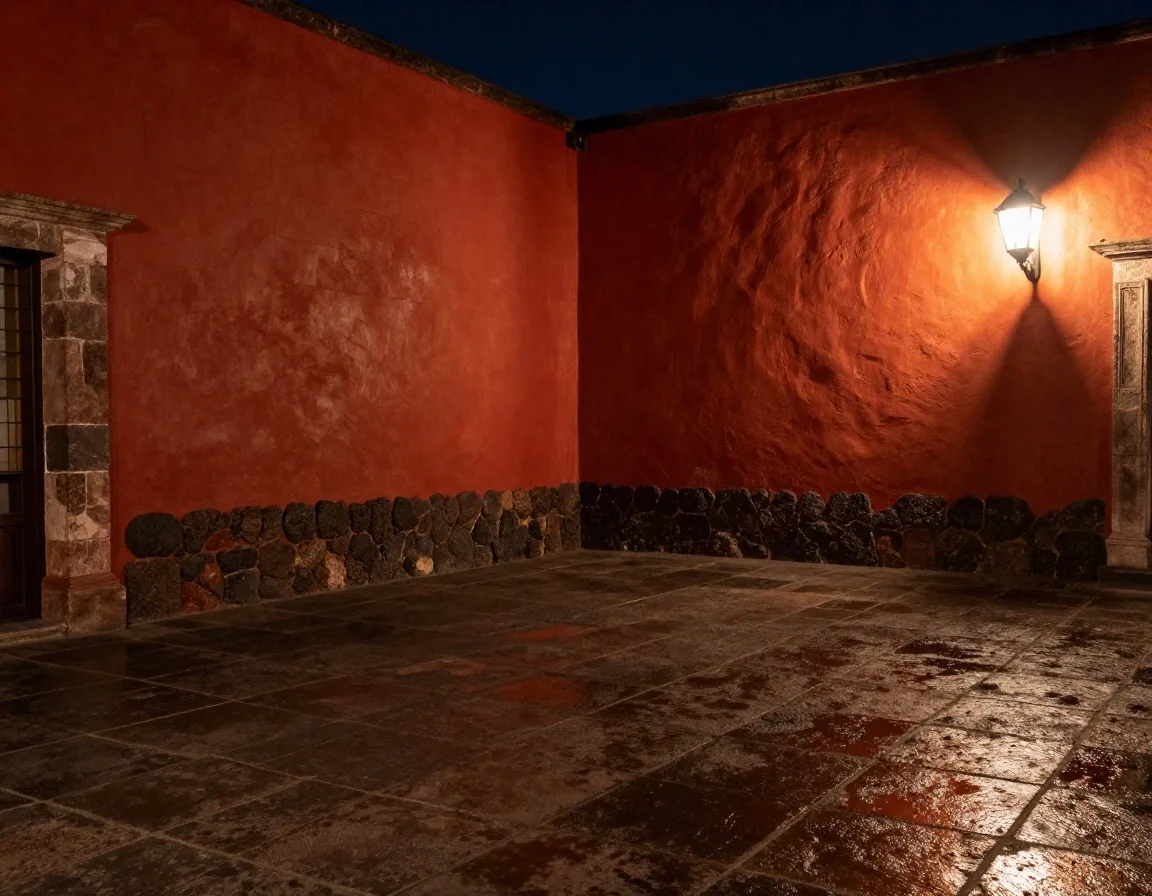
The streets of the Historic Center and Coyoacán feature volcanic slabs, irregular cobblestones, and polished colonial stairs. Closed footwear with non-slip rubber soles is recommended to avoid sprains or slips when the floor gets wet.
Interpersonal treatment and courtesy formulas
Daily coexistence in Mexico is governed by warm interpersonal treatment and deeply rooted verbal courtesy formulas. Greeting with a “buenos días” or “buenas tardes” when entering a commercial establishment, thanking with a “gracias,” and using “por favor” when requesting a service opens doors immediately and predisposes the local population positively.
Aggressive haggling at traditional craft stalls is socially frowned upon, as it underestimates the time and skill of indigenous artisan families; valuing their work with a fair payment contributes directly to the economic sustainability of intangible heritage.
Community craft trade
When purchasing textiles from backstrap looms, glazed ceramics, or wood carvings, recognize the cultural value of the manual process. The initial price requested represents long days of family work.
Frequently asked questions about heritage visits
Condensed operational details to resolve immediate doubts about transport, access, and schedules.
Is it essential to purchase museum tickets online in advance?
How does the fee for video cameras in INAH zones work?
Can I pay for public transport directly with a contactless bank card?
What cultural alternatives exist if my only available day is a Monday?
Plan your route with the editorial team
Do you want to coordinate an itinerary specialized in lacustrine archaeology or need to resolve specific doubts about motor accessibility in cataloged buildings? Get in touch with our consultation desk.