The Tourist Insight
The Tourist Insight Heritage of Mexico
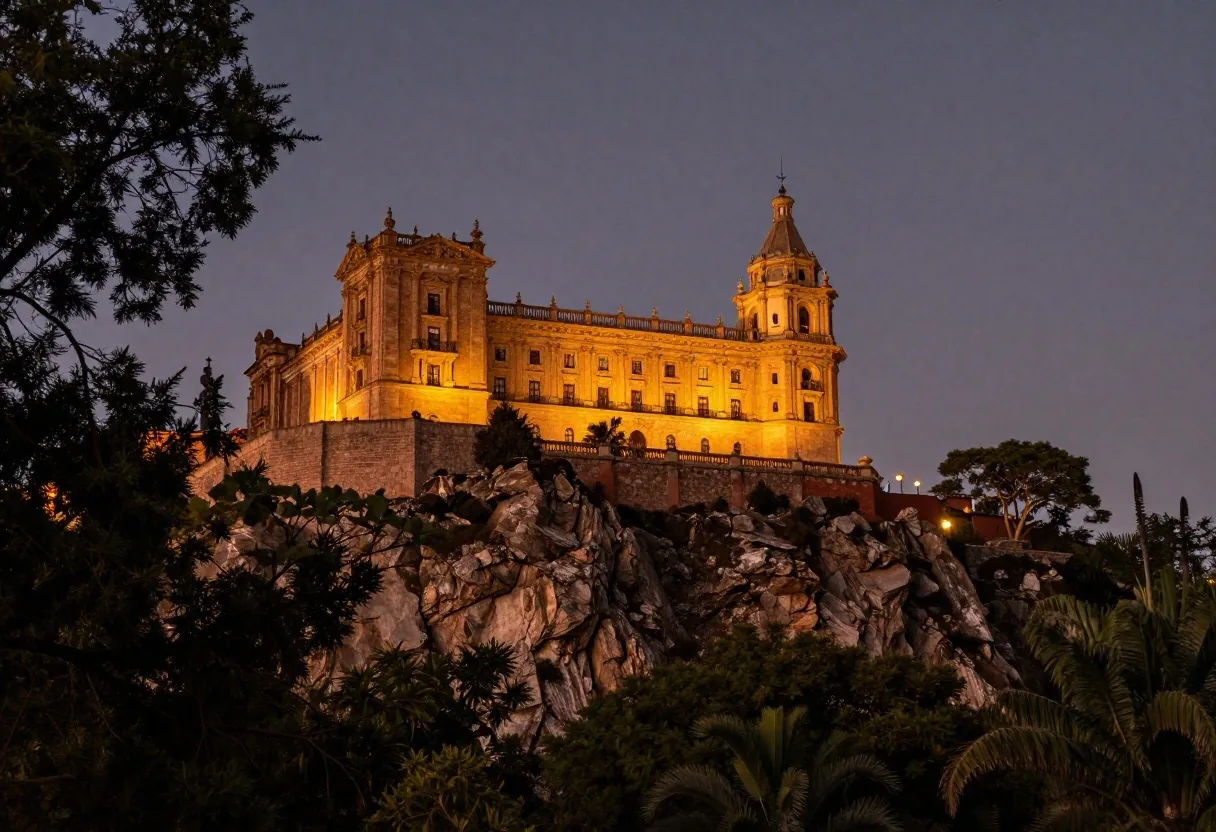
Chapultepec Castle on the top of the wooded hill
HISTORICAL AND MUSEUM HERITAGE · FIRST SECTION

Cultural spaces in Chapultepec Forest

Chapultepec Forest covers more than eight hundred hectares divided into four sections, constituting the ecological heart and the most extensive cultural complex in Mexico City. Historically revered by Toltec and Mexica rulers as a site of sacred springs and a wooded retreat, Chapultepec evolved in the colonial era into a viceregal vacation home, a military fortress during the American intervention, and a presidential residence in the twentieth century.

Currently, its First Section concentrates a constellation of museum institutions ranging from Mesoamerican archaeology and republican memory to international avant-garde visual arts.

SACRED TOPOGRAPHY

The Chapulín hill and Toltec-Mexica memory

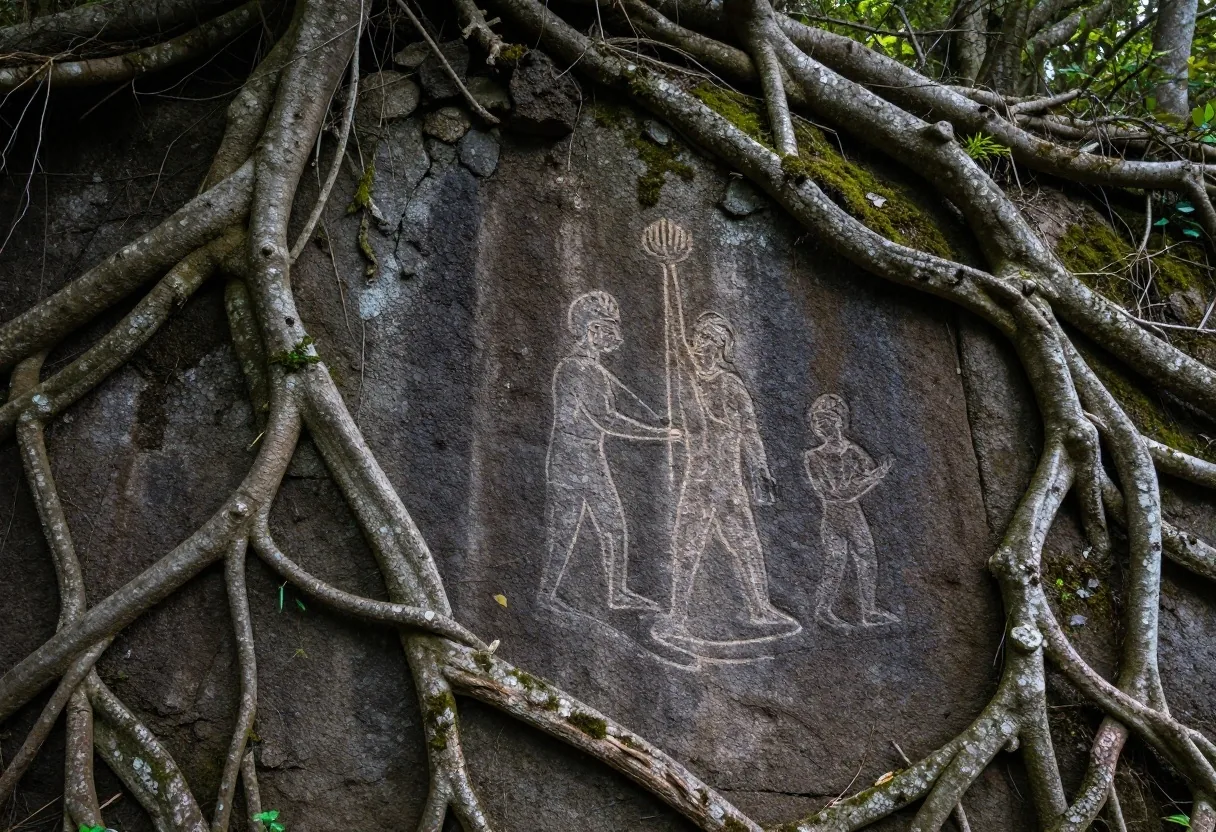
The rocky promontory that gives the forest its name —Chapultepec, 'grasshopper hill' in Nahuatl— served as a strategic military point and astronomical observatory since pre-classical times. On its slopes, vestiges of ceremonial baths carved into the living rock are preserved, attributed to the poet king Nezahualcóyotl, as well as petroglyphs with the eroded effigies of Mexica tlatoanis such as Moctezuma Ilhuicamina.

The springs of Chapultepec supplied potable water to the island city of Tenochtitlan through the two-channel aqueduct that crossed the Tacuba causeway, underscoring the sacred and geostrategic value that this promontory has held uninterruptedly throughout the centuries.

Aquifers and pre-Hispanic hydraulic layout

The fresh waters of the hill fed ritual storage pools and distribution systems that supplied the Mexica nobility, ensuring the hydrological survival of the lake basin against the brackish waters of Lake Texcoco.

Pre-Hispanic petroglyphs on the slopes of Chapultepec hill
BASALTIC STRATIGRAPHY

Reliefs of Moctezuma Ilhuicamina carved on the eastern slope

Nezahualcóyotl

Lyrical retreat and afforestation

The sage of Texcoco ordered the planting of the monumental ahuehuete trees and the construction of botanical retreat pools around the mid-fifteenth century.

Royal Aqueduct

Canalization to Tenochtitlan

The double-pipe system of fired clay allowed for continuous cleaning and maintenance work without interrupting the supply to the city's central plaza.

TOP INSTITUTION · PASEO DE LA REFORMA

National Museum of Anthropology: architecture and identity

Inaugurated in September 1964, the National Museum of Anthropology is a masterpiece of the Mexican modern movement designed by Pedro Ramírez Vázquez, Jorge Campuzano, and Rafael Mijares. Its spatial scheme takes up the concept of the Mayan courtyard of Uxmal, surrounded by thematic rooms that combine covered areas with exterior gardens that house architectural reproductions.

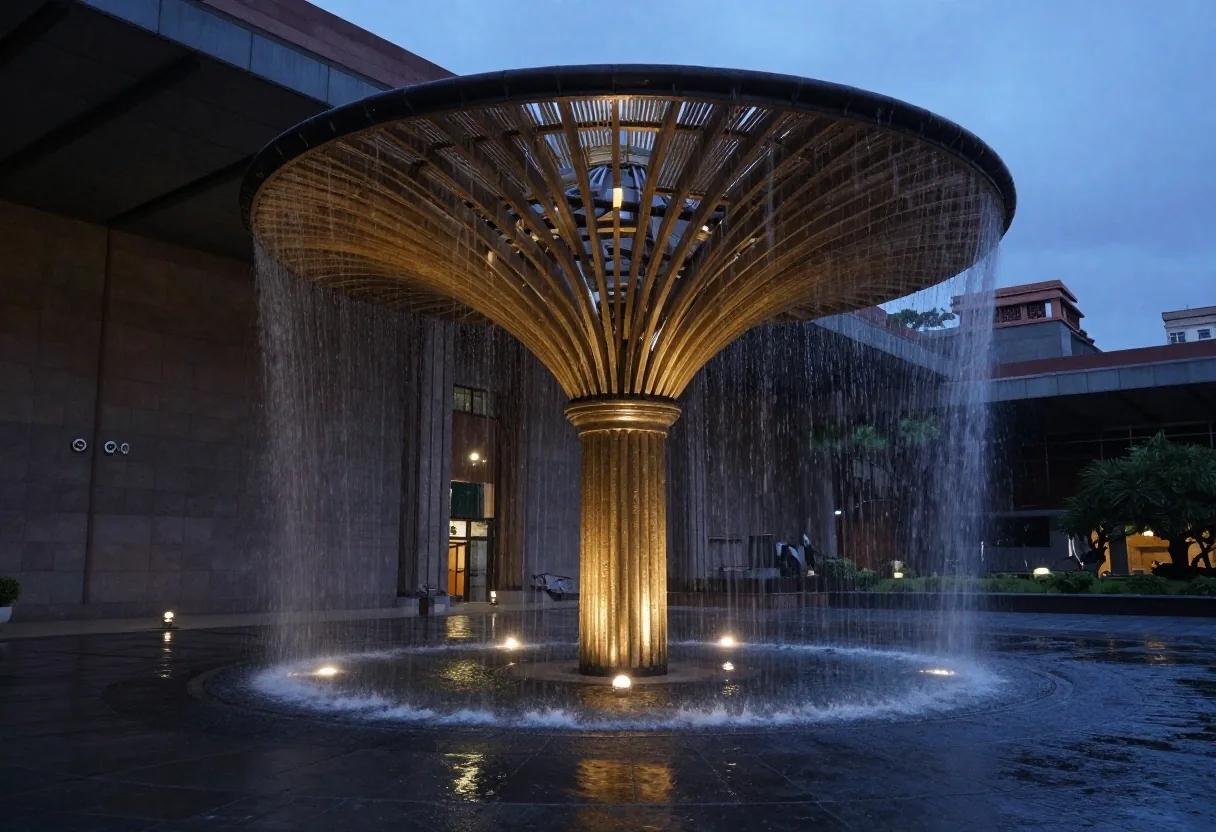
The Umbrella in the central courtyard of the National Museum of Anthropology
SUSPENDED ENGINEERING

Monumental column carved in bronze

The monumental suspended roof, known as "The Umbrella," rests on a single central column sculpted in bronze by the Chávez Morado brothers with reliefs that narrate the sociocultural history and mestizaje of Mexico.

Keys to the Modern Project 1964 · INAH

The Mayan courtyard as a circulatory axis

Inspired by the Nunnery Quadrangle of Uxmal, the large central courtyard allows the visitor to access each Mesoamerican room independently, alternating concentration in display cases with ventilation and visual rest.

Fluid transition to the gardens

The continuous transition between covered spaces and landscaped courtyards minimizes the physical exhaustion common in large-scale venues, integrating replicas of temples and stelae among endemic vegetation.

CENTRAL HEAD Sun Stone

Mexica Room and the Sun Stone

At the head of the central courtyard of Anthropology is the Mexica Room, the most visited curatorial space in the venue. Presided over by the Monolith of the Sun Stone —misnamed the Aztec Calendar—, a disk of olivine basalt weighing more than twenty-four tons carved at the end of the fifteenth century, the room displays monumental sculptures of great symbolic weight.

Here reside the imposing Coatlicue with her skirt of snakes, the colossal head of Coyolxauhqui, and the detailed model of the Tlatelolco market. Each piece allows for an understanding of the sacrificial cosmology, guild stratification, and chinampa agricultural technologies that sustained Mexica military dominance in Mesoamerica before the European invasion.

Basalt monolith: 3.60 m in diameter Link with Templo Mayor
SOUTHEAST WING K'inich Janaab' Pakal

Mayan Room and the treasures of Palenque

The Mayan Room offers an exhaustive panorama of the southern lowlands and the Yucatan Peninsula. Its most outstanding element is the underground reconstruction of the funerary crypt of the ruler K'inich Janaab' Pakal of Palenque, discovered in the Temple of the Inscriptions by archaeologist Alberto Ruz Lhuillier in 1952.

In the replica, the famous funerary mask made with more than two hundred jadeite tesserae, the ceremonial earflares, and the original funerary trousseau that accompanied the dignitary on his journey to the underworld are exhibited. The dialogue between these polychrome ceramic pieces, limestone-carved stelae, and wooden lintels provides a technical vision of the high classic Mayan culture.

Archaeological crypt at the lower level Chiapas Lowlands
VICEREGAL AND IMPERIAL PALACE

Chapultepec Castle and National Museum of History

At the top of the hill stands Chapultepec Castle, the only viceregal and monarchical palace of these characteristics built in North America. Begun in 1785 by order of Viceroy Bernardo de Gálvez, it served successively as the headquarters of the Military College in 1847, the official residence of Maximilian of Habsburg and Charlotte of Belgium in the 1860s, and the country office of Porfirio Díaz.

Converted into the National Museum of History in 1939 by decree of President Lázaro Cárdenas, the venue today exhibits the imperial gala carriage brought from Milan, sumptuous nineteenth-century furniture, viceregal caste paintings, and transcendental revolutionary murals by David Alfaro Siqueiros, José Clemente Orozco, and Juan O'Gorman.

The Alcázar and terraces:direct panoramic view over the original layout of Paseo de la Reforma, conceived by Maximilian as the Empress's Promenade.

Mural 'From Porfirism to the Revolution':the monumental work by David Alfaro Siqueiros located in the hall of the republican eras.

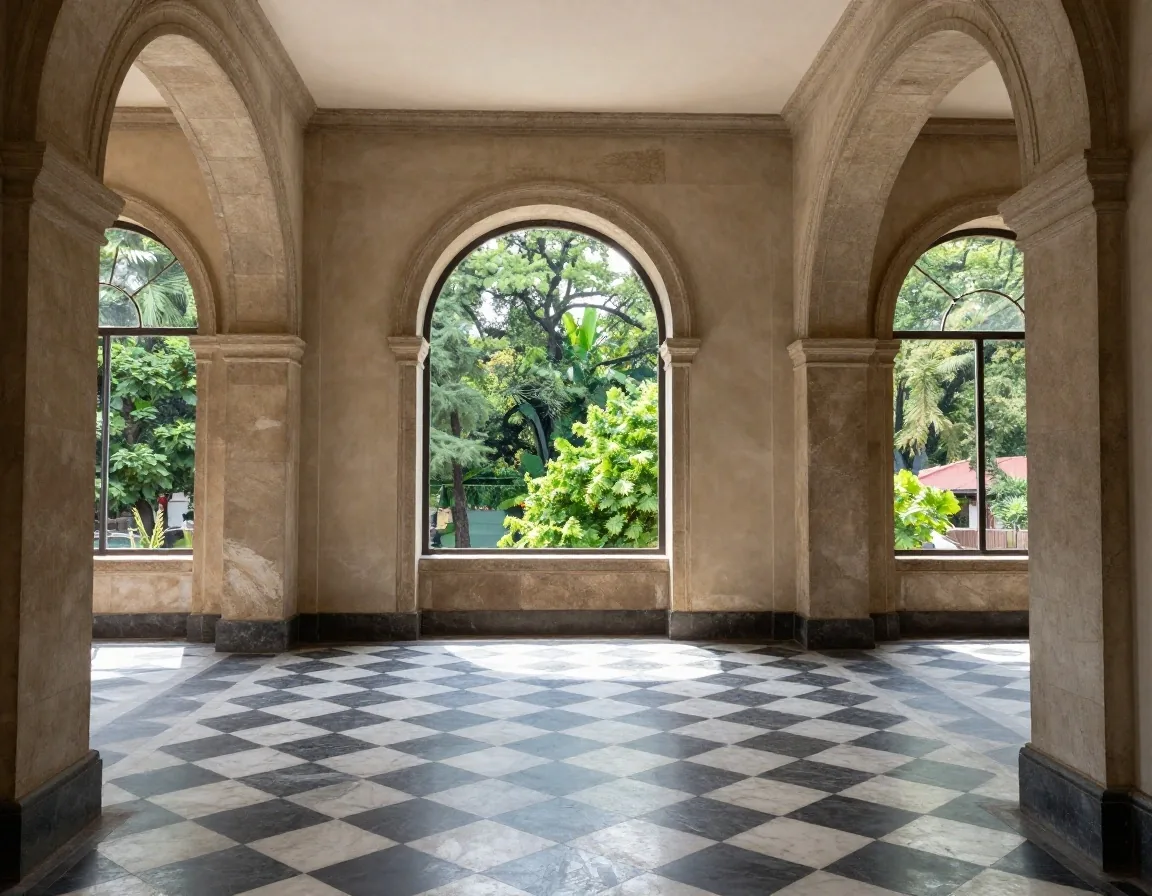
Interior gallery of the Alcázar in Chapultepec Castle
THE IMPERIAL ALCÁZAR

European marble work and perspective on the Valley of Mexico

MODERNISM AND CONTEMPORARY ART · REFORMA CORRIDOR

Avant-garde pavilions in the forest canopy

The integration of art with the plant mass of Chapultepec reaches its maximum expression in two venues that marked milestones in Latin American museographic architecture: the Museum of Modern Art and the Tamayo Museum.

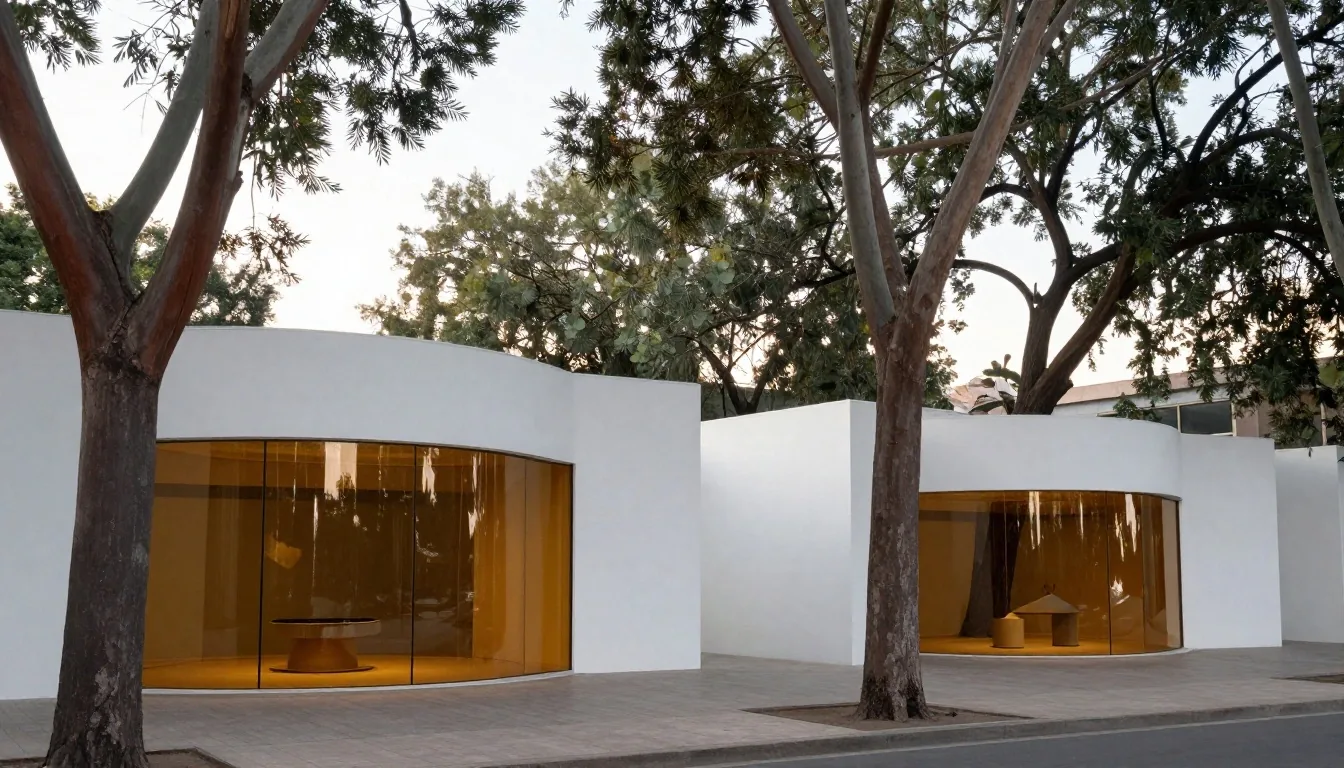
Curved glass pavilions of the Museum of Modern Art
1964 · RAMÍREZ VÁZQUEZ & CAZARES Paseo de la Reforma

Museum of Modern Art and the sculpture garden

Located on Paseo de la Reforma, the Museum of Modern Art (MAM) stands out for its curved glass pavilions and fiberglass domes that dialogue organically with the surrounding trees. Its permanent collection brings together plastic milestones of the twentieth-century Mexican art, including the famous work "The Two Fridas" by Frida Kahlo, and canvases by Remedios Varo, Leonora Carrington, María Izquierdo, and Saturnino Herrán.

In its outdoor gardens, grass and gravel paths allow for the contemplation of pieces by Germán Cueto, Manuel Felguérez, and Ángela Gurría in an atmosphere of quiet aesthetic contemplation.

Surrealism & Mexican School Varo Collection
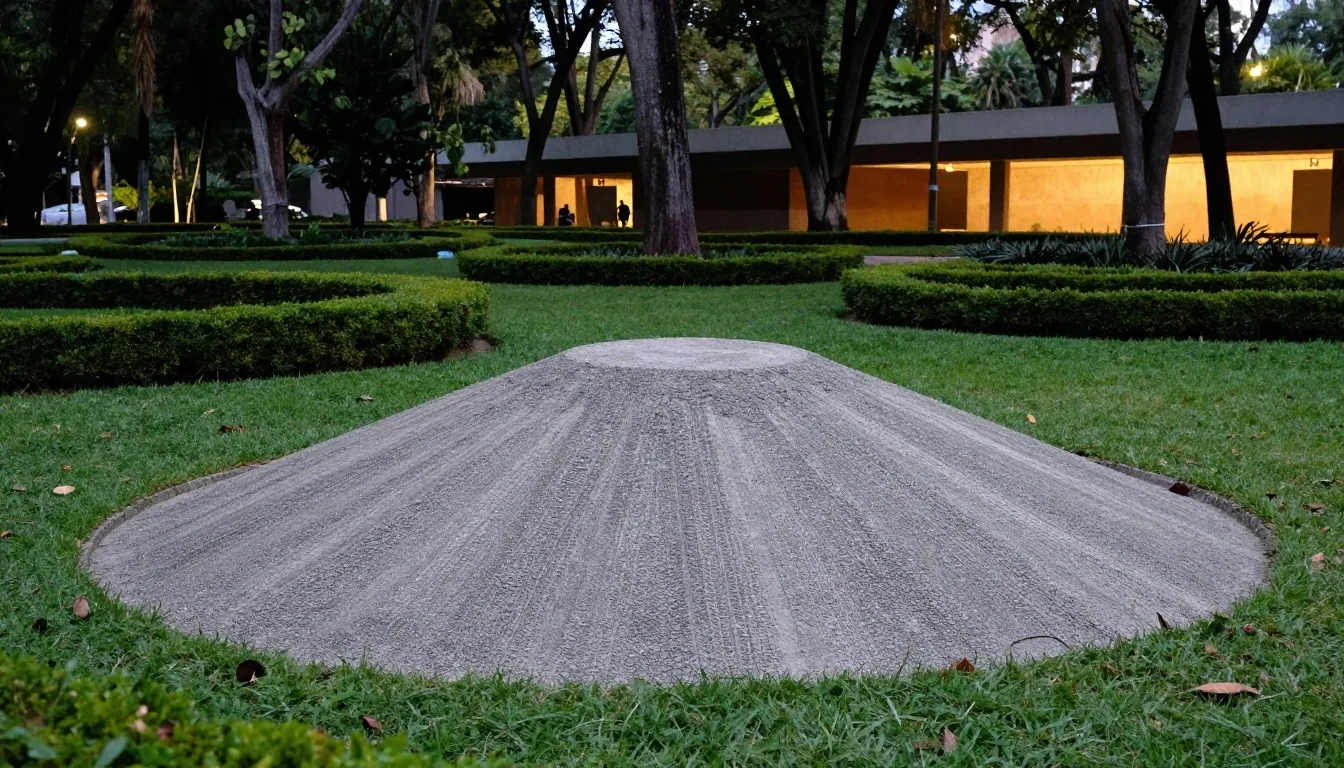
Hammered concrete slopes of the Tamayo Museum of Contemporary Art
1981 · GONZÁLEZ DE LEÓN & ZABLUDOVSKY Concrete Slopes

Tamayo Museum of Contemporary Art

Inaugurated in 1981, the Tamayo Museum was conceived by architects Teodoro González de León and Abraham Zabludovsky in close collaboration with the Oaxacan painter Rufino Tamayo. The building, structured in modular slopes of hammered concrete with white marble and volcanic rock aggregates, seems to emerge from the very topography of the forest.

Inside, it preserves the international postwar art collection donated by Tamayo, which includes masterpieces by Pablo Picasso, Mark Rothko, Francis Bacon, and Fernand Léger, complemented by temporary exhibition programs of international contemporary creators.

Postwar Avant-Garde Brutalist Architecture
NATURAL AND MONUMENTAL MEMORY

The Altar to the Homeland and the Baths of Moctezuma

The main path that ascends to the Castle crosses the Monument to the Heroic Cadets or Altar to the Homeland, inaugurated in 1952 with six semicircular white Carrara marble columns that commemorate the battle of 1847. Further ahead, the Baths of Moctezuma preserve pre-Hispanic pools supplied by the Chapultepec spring that were restored by archaeologists from the National Institute of Anthropology and History.

These vestiges, surrounded by centuries-old ahuehuete trees like El Sargento—a tree allegedly planted during the reign of Nezahualcóyotl—evidence how the Mexica courtly recreational structures were utilized and reinterpreted during the early viceroyalty as storage pools for city aqueducts.

The 'El Sargento' ahuehuete

With an estimated age of over five hundred years, this colossal specimen ofTaxodium mucronatumbears witness to the ecological management program orchestrated in the valley before the arrival of the Hispanic ships.

MEXICAN FLORA AND MICROCLIMATE

Botanical Garden and the historic orchid house

In front of the Tamayo Museum lies the Chapultepec Botanical Garden, a five-hectare enclosure that exhibits living collections of Mexican wild flora: cacti from arid zones, pulque agaves, medicinal plants for traditional use, and lake wetland vegetation from the ancient Altiplano.

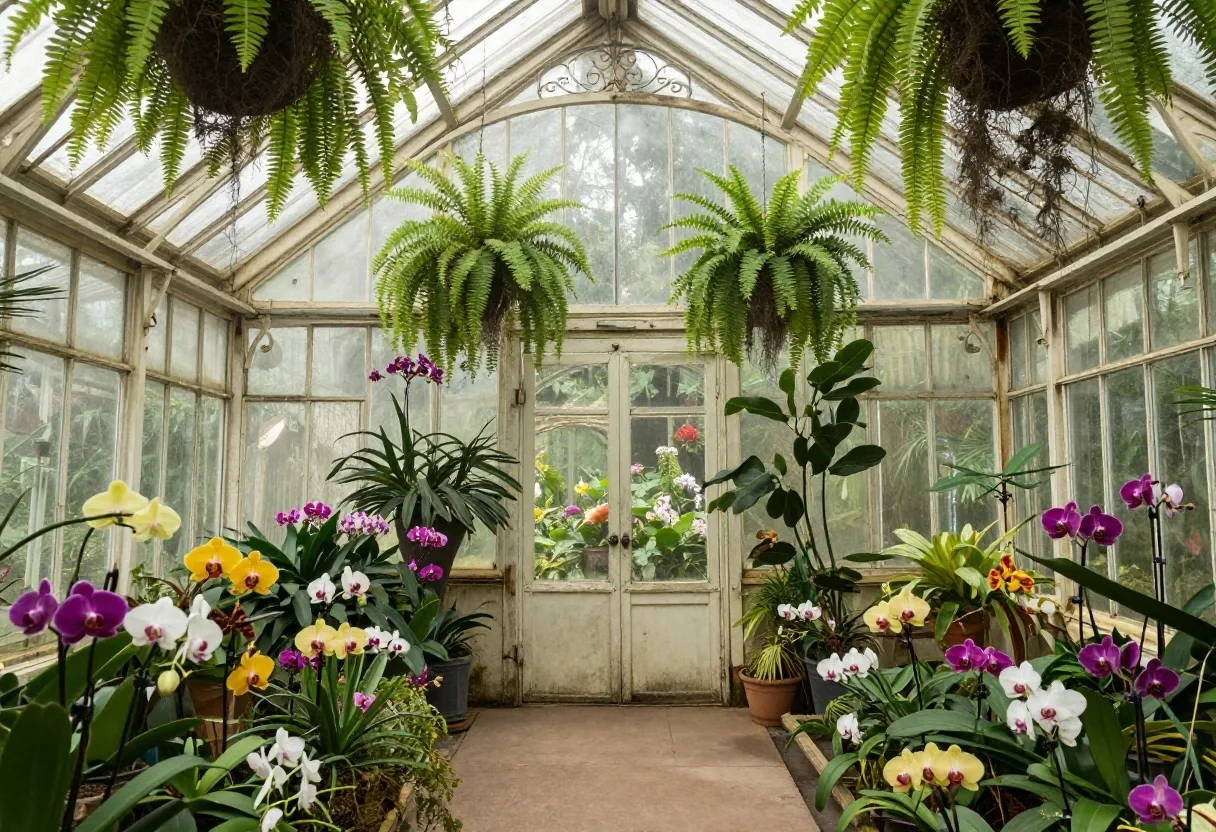
Its interior houses an early twentieth-century orchid house with a wrought-iron structure and glass roofs that reproduces a tropical microclimate for more than two hundred native species. This corner offers an ideal pedagogical pause to appreciate the vast floristic biodiversity of the national territory in the midst of urban bustle.

Iron structure of the orchid house in the Chapultepec Botanical Garden
HISTORIC GREENHOUSE

More than two hundred native orchid species

COMPARATIVE TABLE OF VENUES

Operational summary of the First Section museums

Access data, curatorial vocation, and suggested time to organize a balanced cultural day.

Cultural Venue Curatorial Emphasis Emblematic Piece Suggested Time Nearby Access
National Museum of Anthropology Archaeology and Ethnography of Mesoamerica Sun Stone / Pakal's Tomb 3 to 4 hours Auditorio Metro / Antropología Metrobús
Chapultepec Castle History of Mexico (Viceroyalty to Revolution) Alcázar / Siqueiros Murals 2 to 3 hours Chapultepec Metro / Puerta de Leones
Museum of Modern Art (MAM) 20th-century Mexican avant-gardes The Two Fridas (Frida Kahlo) 1.5 to 2 hours Gandhi Metrobús / Paseo de la Reforma
Tamayo Museum Postwar and current international art Rufino Tamayo Collection 1 to 2 hours Museo Tamayo Metrobús
Botanical Garden & Orchid House Living biodiversity of national flora Collection of 200 native orchids 45 to 60 minutes In front of Tamayo Museum
LOGISTICS AND URBAN MOBILITY

Visit tips and pedestrian accessibility

The First Section of Chapultepec remains closed to the public on Mondays for forest conservation work, birdlife management, and general maintenance of the museum infrastructure. To plan your stay without setbacks, follow these access and travel guidelines.

TRANSPORT NETWORK

Metro and Metrobús Line 7

The metro stationsChapultepec(Line 1) andAuditorio(Line 7), along with the double-decker Metrobús stops along Paseo de la Reforma, allow you to arrive on foot in a few minutes to the main entrances of the First Section.

Flat walk towards Anthropology and Tamayo
ASCENT AND TOPOGRAPHY

Ramp to the Castle and footwear

It is advisable to wear comfortable rubber-soled shoes to walk the paved ramp of approximately one kilometer that ascends to the Castle. There is a tourist train service for ascent for the elderly and people with reduced mobility.

Constant slope among the ahuehuete forest
TICKET OFFICES AND HOURS

Morning anticipation

Purchase advance tickets at the physical ticket office or authorized portals to avoid morning lines at the National Museum of Anthropology. Remember that the forest opens from 05:00 for runners, but the museum halls start at 09:00.

Tuesday to Sunday from 09:00 to 17:00 / 18:00
Is it possible to visit the Museum of Anthropology and the Castle in a single day?
Yes, but it requires an extensive walk. It is suggested to start early (09:00) at Chapultepec Castle to take advantage of the cool weather during the ascent, have a light lunch in the Reforma corridors, and dedicate the afternoon (starting at 13:30) to the main halls of Anthropology (Mexica, Maya, and Teotihuacana).
What are the rules for backpacks and photographic equipment?
In all museums under the INAH and INBAL, it is mandatory to deposit large backpacks, bulky items, and umbrellas in free cloakrooms. Photography without flash for personal use is allowed; the use of tripods or stabilizers requires a special institutional permit.
Are there entrance fees for the Botanical Garden and the Baths of Moctezuma?
Access to the Botanical Garden, the historic Orchid House, the forest trails, and the archaeological perimeter of the Baths of Moctezuma is completely free from Tuesday to Sunday during the park's usual hours.
INTEGRATED HERITAGE PERSPECTIVE

Continue your exploration through the lake basin

The collection of the Chapultepec Forest connects directly with the foundations of the Templo Mayor in the Historic Center and the traditional canals of Xochimilco. Plan your days using our documentary monographs and specialized guides for visitors.

Av. Paseo de la Reforma 50, Col. Juárez, Cuauhtémoc, 06600 Mexico City
Teléfono editorial: +52 55 5207 8100